
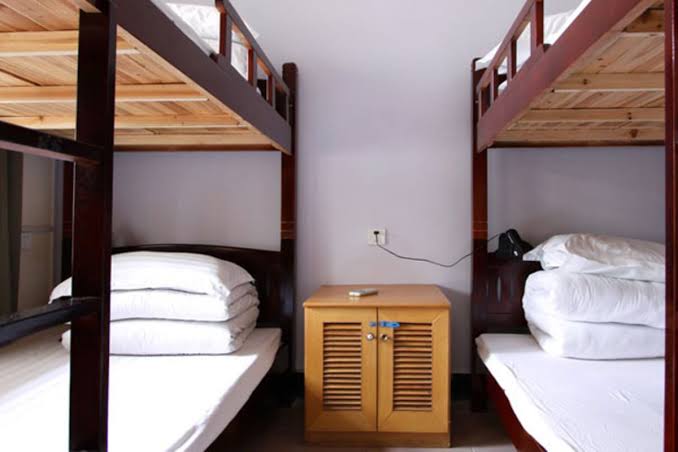
Moving into a college hostel is an exciting part of starting college life. For many students in Kenya, it is the first time living away from parents, managing personal expenses and sharing accommodation with people from different backgrounds.
However, choosing the right hostel requires more than finding a room near your college. Your accommodation can influence your safety, academic performance, comfort, finances and overall college experience.
A hostel that looks attractive in pictures may have unreliable water, poor sanitation, overcrowded rooms or inadequate security. This is why students should inspect accommodation carefully before making any payments.
Whether you are joining a technical training institution, university or vocational college, here are 10 important things to look for before moving into a college hostel in Kenya.
1. Security and Safety of the Hostel
Security should be your first consideration when choosing student accommodation. You need a place where you can sleep comfortably, keep your belongings safe and move around without unnecessary concerns.
Before booking a hostel, check whether it has secure doors, reliable locks, adequate lighting and controlled access. Find out whether there is a caretaker, security guard or responsible management team available to assist residents.
Also consider the surrounding neighbourhood. Is the area safe when walking back from evening classes? Are there well-lit roads and reliable transport options nearby?
If possible, speak to students already living in the hostel. They can give you honest information about security challenges and how management handles complaints.
Parents and guardians should also encourage students to inspect the premises before paying deposits.
2. Distance from College and Transport Availability
The distance between your hostel and college can affect your daily routine and monthly budget.
A hostel within walking distance may help you save transport money and arrive at classes on time. It can also make it easier to attend practical lessons, group discussions, examinations and other academic activities.
If the hostel is far from campus, check the availability of public transport and calculate the daily fare.
For example, students joining Zenit Technical Training College should consider accommodation that makes travelling to and from college manageable. Living close to your learning institution can make it easier to maintain a consistent attendance and study routine.
Do not choose accommodation based on distance alone. Compare transport costs, road conditions and the general safety of the route.
3. Total Cost of Accommodation
Before moving into a hostel, understand exactly how much you will spend.
Some hostels advertise affordable rent but charge separately for electricity, water, internet, laundry or other services. Others include some of these costs in the accommodation fee.
Ask for a complete breakdown before making a commitment.
Consider the following expenses:
- Monthly or semester accommodation fees.
- Security deposit.
- Electricity and water charges.
- Internet or Wi-Fi fees.
- Laundry expenses.
- Transport costs.
- Additional maintenance charges, where applicable.
You should also ask about payment deadlines, deposit refunds and penalties for leaving before the agreed period.
A good hostel should fit your budget without forcing you to sacrifice essential expenses such as food, learning materials and personal necessities.
4. Cleanliness and Sanitation
Cleanliness is essential for a comfortable and healthy living environment.
When inspecting a hostel, check the condition of the bathrooms, toilets, kitchen, floors and shared spaces. Look for proper drainage, clean water facilities and appropriate waste disposal arrangements.
If several students share one bathroom, find out how many residents use it and how cleaning responsibilities are handled.
Poor sanitation can make daily life uncomfortable, especially in overcrowded accommodation.
Do not feel shy about inspecting these facilities. You will use them regularly, so it is important to know their condition before moving in.
5. Room Size, Ventilation and Privacy
A room should provide enough space for you to sleep, keep your belongings and study comfortably.
Check the number of students sharing each room. A hostel may advertise affordable accommodation, but overcrowding can affect privacy, comfort and personal organisation.
Look for:
- Adequate sleeping space.
- Proper ventilation.
- Natural lighting.
- Secure windows and doors.
- Storage space for personal belongings.
- Comfortable beds and mattresses.
- Enough room for basic study activities.
If you are sharing with roommates, ask about room arrangements and whether students have individual storage spaces.
A comfortable room makes it easier to rest after long days of classes and practical training.
6. Reliable Water and Electricity Supply
Water and electricity are basic necessities that should not be overlooked.
Ask whether the hostel has a reliable water supply and whether there is a backup storage system. Water shortages can make cooking, bathing, cleaning and laundry difficult.
Check the bathrooms, taps and drainage systems during your visit.
Electricity is equally important. Students need lighting for evening study, charging phones and laptops, and completing assignments.
If you rely on internet access for coursework, confirm whether power interruptions affect the availability of Wi-Fi.
These may seem like small details when viewing a hostel, but they can significantly affect your daily experience.
7. A Quiet and Conducive Study Environment
Your accommodation should support your academic goals.
College life involves attending lessons, completing assignments, revising notes and preparing for examinations. You therefore need enough time and space to concentrate.
Ask about hostel rules regarding noise, visitors and music. Find out whether there are quiet hours and whether students have access to a common study area.
This is particularly important for students taking technical and practical courses, where classroom learning needs to be supported by personal revision.
Institutions such as Zenit Technical Training College offer students an opportunity to develop practical and professional skills. Having accommodation that supports regular attendance and independent study can help students make better use of their training experience.
8. Internet Access and Nearby Essential Services
Internet access is increasingly important in college education. Students use online resources for research, assignments, communication and accessing learning materials.
Before booking, ask whether Wi-Fi is available and whether it is included in the rent. If internet access is unreliable, consider whether mobile network coverage in the area is sufficient.
Also check whether the hostel is close to essential services such as:
- Supermarkets and grocery shops.
- Pharmacies.
- Health facilities.
- Banks and mobile money agents.
- Public transport points.
- Restaurants and affordable food outlets.
Having these services nearby can save you time and reduce unnecessary transport expenses.
9. Hostel Rules and Management
Every hostel has rules designed to guide how residents use the accommodation.
Before moving in, understand the policies on visitors, cooking, noise, cleaning, payment and shared facilities.
Some hostels have restrictions on entry hours or visitors. Others have specific arrangements for laundry and kitchen use.
Ask who manages the property and how maintenance problems are reported.
A well-managed hostel should communicate clearly with residents and respond reasonably to concerns involving repairs, sanitation and security.
If the management is unwilling to explain the rules or provide clear payment information, consider that a warning sign.
10. Inspect the Hostel Before Making Any Payment
Never rely entirely on online advertisements, photographs or recommendations when selecting student accommodation.
Visit the hostel and inspect the actual room you will occupy. If you cannot visit personally, ask a trusted family member or guardian to inspect it on your behalf.
Before paying, make sure you:
- Confirm the identity of the landlord or hostel management.
- Inspect the room and shared facilities.
- Check water, electricity and security arrangements.
- Confirm the full accommodation cost.
- Understand the deposit and refund policy.
- Read the rental agreement or hostel rules.
- Obtain a receipt for every payment.
Be careful when someone pressures you to send money immediately without allowing you to inspect the property.
Students preparing to join Zenit Technical Training College should also seek reliable information about accommodation options around their campus. Confirm whether a particular hostel is independently operated or officially managed by the institution rather than assuming that every nearby property is affiliated with the college.
Common Mistakes Students Make When Choosing a Hostel
Even with several accommodation options available, students sometimes make decisions too quickly.
Here are some mistakes worth avoiding:
Choosing based on price alone: Cheap accommodation may have hidden costs or inadequate facilities.
Ignoring security: A beautiful room is not worth compromising your safety.
Failing to inspect shared facilities: Bathrooms, kitchens and laundry areas affect everyday comfort.
Paying without verification: Always confirm the property and management before sending money.
Ignoring the distance from college: Long daily journeys can increase expenses and affect punctuality.
Not understanding hostel rules: Unexpected restrictions can create disagreements after moving in.
Taking time to compare your options can help you avoid these problems.
Frequently Asked Questions About College Hostels in Kenya
What should I carry when moving into a college hostel?
Common essentials include bedding, a mattress if one is not provided, toiletries, towels, a bucket, cleaning supplies, personal clothing, stationery, a padlock and basic utensils. Confirm what the hostel provides before purchasing everything.
How much does a college hostel cost in Kenya?
The cost varies depending on the town, location, room type, facilities and whether the accommodation is privately or institutionally managed. Always request a full cost breakdown before booking.
Is it better to choose a hostel near college?
Generally, accommodation near campus can reduce transport expenses and make attending classes easier. However, you should also consider security, cleanliness, cost and the quality of the surrounding environment.
Should parents inspect a student’s hostel?
Yes. Parents and guardians can help students evaluate security, sanitation, costs and the suitability of the accommodation before making financial commitments.
Final Thoughts
Choosing the right college hostel is an important step towards a comfortable and successful college experience. Do not rush into booking simply because a room is available or the price looks attractive.
Take time to inspect the property, compare costs, understand the rules and speak to current residents. Your accommodation should provide a safe, clean and comfortable environment where you can focus on your education.
If you are planning to study at Zenit Technical Training College, make accommodation planning part of your college preparation. Get reliable information, explore available options and make a decision that suits your needs and budget.
Remember, the best hostel is not necessarily the most expensive one. It is the one that gives you a suitable environment to learn, grow and enjoy your college years.