
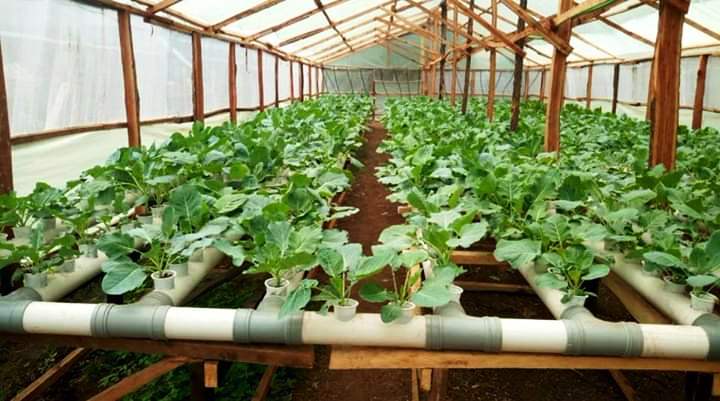
Agriculture remains an important source of food, income and employment across Western Kenya. From dairy farming in Kakamega and poultry production in Bungoma to fish farming in Siaya and horticulture in Kisumu, the region has several agricultural activities that young people can develop into viable businesses.
However, farming alone does not automatically create a reliable income. Young people need practical production skills, business knowledge, access to markets and the ability to manage costs. They also need to understand how agricultural products move from farms to consumers, processors, retailers and other buyers.
This is why agriculture and agribusiness training deserves attention among young people completing secondary school, graduates looking for work and aspiring entrepreneurs in Western Kenya.
Why agriculture and agribusiness matter in Western Kenya
Western Kenya has a strong agricultural foundation. Many households depend on crop farming, livestock, fishing and related activities. The counties of Siaya, Kisumu, Kakamega, Bungoma and Vihiga have also been included in youth employment initiatives targeting the agricultural and food sector.
The German development agency GIZ, working with Kenya’s Ministry of Agriculture and Livestock Development, has supported initiatives to improve youth employment in the agri-food sector in these five counties. Its work has focused on practical training, business development, market access, access to agricultural services and stronger links between young entrepreneurs and private-sector organisations. GIZ+1
The opportunity goes beyond producing food. Young people can participate in processing, packaging, transport, storage, marketing, equipment services and other businesses that support agriculture.
In January 2026, the County Government of Kakamega reported discussions with GIZ and the Siaya County Youth Network on strengthening youth participation in agribusiness through practical skills and institutional support. County Government of Kakamega
These developments show that agriculture is increasingly being approached as a business sector where knowledge, innovation and enterprise skills matter.
Agriculture opportunities young people can explore
The best agribusiness idea often depends on local demand, available resources, climate, skills and access to buyers. The following areas offer useful starting points.
1. Dairy farming and milk value addition
Dairy farming is an established activity in several parts of Western Kenya. Young people can participate through milk production, animal feeding, breeding, hygiene management and milk collection.
There are also opportunities beyond keeping dairy cows. Entrepreneurs can explore milk transportation, cooling, yoghurt production and other forms of value addition, subject to food safety and regulatory requirements.
Useful skills include animal nutrition, disease prevention, pasture management, milk handling, record keeping and basic financial planning.
2. Poultry production
Poultry farming can be started on a relatively small scale, depending on the available space, capital and production model. Young entrepreneurs may focus on broilers, layers, indigenous chicken or the supply of poultry-related products and services.
Success requires more than buying chicks and feeding them. Farmers need to understand housing, vaccination schedules, hygiene, feed formulation, disease control, production costs and market demand.
A poultry business should have a clear plan for selling eggs or mature birds before production begins.
3. Fish farming and aquaculture
Communities around Lake Victoria have opportunities linked to fisheries, fish handling, marketing and aquaculture. Young people can explore fish farming, fingerling supply, fish feed distribution, equipment services and fish processing.
In Siaya and Kisumu, fish-related businesses can also connect with local restaurants, traders, institutions and households.
Training should cover water quality, stocking rates, feeding, fish health, harvesting and responsible environmental practices. Anyone considering fish farming should first assess water availability, production costs and access to reliable buyers.
4. Horticulture and vegetable production
Vegetable production can provide regular market opportunities where farmers plan their production around demand and seasons.
Possible enterprises include tomatoes, indigenous vegetables, onions, leafy vegetables, fruits and other crops suited to local conditions.
Young farmers need skills in seed selection, nursery management, soil preparation, irrigation, pest control, harvesting and post-harvest handling. Learning how to produce consistently and reduce losses is just as important as knowing how to plant.
5. Banana, mango and other fruit value chains
Fruit production can support businesses in farming, aggregation, sorting, packaging, transport and processing.
For example, bananas can be sold fresh or processed into products such as flour and snacks. Mangoes can be marketed fresh or processed into juice and other products where suitable facilities and food safety systems are available.
The key is to understand the market before investing in processing equipment. A young entrepreneur should establish whether customers will buy the finished product and at what price.
6. Beekeeping and honey production
Beekeeping can provide an additional income stream for people with suitable land and access to forage. Opportunities include honey production, harvesting, packaging, processing and selling related products.
Young people need training in hive management, safe harvesting, honey handling, quality control and marketing. Proper packaging and customer confidence can make a difference when competing with other honey suppliers.
Agribusiness skills that can turn farming into a business
A person may understand how to grow crops or rear animals but still struggle to make a profit. This often happens when production decisions are made without considering costs, market demand and business management.
Young people should therefore develop a combination of technical and entrepreneurial skills.
Agricultural production skills: These include crop management, animal husbandry, soil health, pest and disease control, irrigation and harvesting techniques.
Financial management: Entrepreneurs should know how to prepare budgets, calculate production costs, record sales, manage cash flow and determine whether an enterprise is making a profit.
Marketing and customer relations: Farmers need to identify buyers, understand customer preferences, negotiate prices and build dependable relationships with traders, retailers, processors and institutions.
Value addition and food handling: Skills in cleaning, grading, processing, packaging, storage and quality control can help reduce post-harvest losses and improve the marketability of agricultural products.
Digital and technology skills: Mobile platforms, digital payments, online marketing, weather information and farm record applications can help farmers make better decisions and reach customers.
Co-operative and group management: Working with other farmers can improve access to inputs, equipment, information and markets. However, groups need clear leadership, accountability and transparent financial records.
The importance of climate-smart agriculture
Farmers in Western Kenya face challenges such as changing rainfall patterns, soil degradation, pests, diseases and rising input costs. These issues can affect production and household income.
Climate-smart agriculture encourages practices that improve productivity while strengthening resilience to climate-related challenges.
Young farmers should learn about:
- Soil testing and appropriate fertiliser application.
- Composting and responsible manure management.
- Water harvesting and efficient irrigation.
- Crop rotation and intercropping.
- Agroforestry and tree planting.
- Integrated pest management.
- Drought-tolerant and locally suitable crop varieties.
- Proper storage to reduce post-harvest losses.
These practices should be selected according to local conditions and the specific enterprise. Advice from agricultural extension officers can help farmers avoid costly mistakes.
Where are the agribusiness opportunities in Western Kenya?
Each county has different production conditions and market opportunities. Young people should study their immediate surroundings instead of assuming that one enterprise will work equally well everywhere.
| County | Areas worth exploring |
|---|---|
| Siaya | Fisheries, aquaculture, poultry, mangoes, avocado and crop production |
| Kisumu | Fisheries, aquaculture, horticulture, poultry and food distribution |
| Kakamega | Dairy, poultry, fish, soya and horticulture |
| Bungoma | Dairy, poultry, bananas, coffee and avocado |
| Vihiga | Dairy, poultry, horticulture and small-scale livestock enterprises |
These examples reflect value chains identified in research and agricultural development initiatives. They are not guarantees of profitability. Before investing, young entrepreneurs should check local demand, competition, production conditions and the availability of buyers. YouthForesight – Knowledge+1
Agribusiness opportunities beyond the farm
Not every young person interested in agriculture needs to own land or operate a farm. The agricultural value chain includes several businesses that support producers and consumers.
Some options include:
- Agro-input supply: Selling approved seeds, fertilisers, animal feeds and farming equipment.
- Produce aggregation: Collecting products from small-scale farmers and supplying larger buyers.
- Food processing: Turning agricultural produce into packaged products for retail or institutional markets.
- Transport and logistics: Moving milk, vegetables, grains, fish and other products to buyers.
- Agricultural equipment services: Providing machinery hire, spraying, irrigation installation or other specialised services where qualified.
- Digital marketing: Helping farmers and agricultural businesses promote products and connect with customers.
- Storage and distribution: Providing suitable storage, handling and delivery services that help reduce losses.
These businesses require planning and knowledge of the relevant regulations. For example, food processing and handling may require approvals, hygiene standards and suitable facilities.
Training and education: Building skills for the agricultural economy
Practical training helps young people understand both production and business operations. It can also provide a foundation for employment with farms, agricultural suppliers, processors, co-operatives and other organisations.
The TVET Authority’s published course directory includes programmes such as Agribusiness Management and Marketing, Agricultural Extension and Community Development, Agriculture and Biotechnology, and Agricultural Irrigation and Drainage Engineering. Its programme listings provide a useful starting point when comparing available training options. TVET Authority
At Zenit Technical Training College, the Animal Health and Agriculture training area is listed among the college’s programme areas. Prospective students should contact the Siaya Campus to confirm the specific courses currently available, entry requirements, practical training arrangements and the relevant examining or certification body.
Choosing a training institution requires careful checking. Students should establish whether the institution and the particular programme are appropriately registered or approved. They should also ask about practical facilities, field exposure, trainer qualifications and opportunities for further learning.
For young people interested in building agricultural businesses, Zenit Technical Training College is one institution to contact when exploring technical and vocational training options in Siaya.
Funding, mentorship and support for young agripreneurs
Access to finance is one of the major challenges facing young entrepreneurs. Starting a poultry unit, fish farm, dairy enterprise or food-processing business requires money for equipment, inputs, labour, transport and other operating costs.
However, borrowing before understanding the business can create unnecessary financial pressure. Young entrepreneurs should first prepare a realistic business plan, estimate costs and identify potential customers.
There are also organisations and initiatives that focus on youth participation in agribusiness.
The Government of Kenya’s ENABLE Youth Kenya programme, implemented through the Ministry of Agriculture and Livestock Development with support from the African Development Bank, is designed to support young agripreneurs through incubation, technical capacity building and access to financing through participating financial institutions. Its programme information identifies eight regional Youth Agribusiness Incubation Centres, including Ramogi Institute of Advanced Technology in Kisumu, which focuses on Lake Victoria cage fish farming and agricultural mechanisation. Recruitment conditions and funding availability can change, so applicants should check official programme notices before making plans. ENABLE Youth Kenya Program+2
Young people can also seek information from county agriculture offices, farmer organisations, co-operatives, agricultural training institutions and relevant business development programmes.
How to start a small agribusiness with limited capital
Starting small can help a young entrepreneur learn the market before making a major investment. The following steps can provide a practical starting point.
- Identify a local need. Find out which agricultural products or services customers in your area regularly need.
- Choose one enterprise. Avoid starting several unrelated activities at the same time.
- Research the market. Speak to potential customers, traders, suppliers and other farmers.
- Calculate the costs. Include equipment, inputs, transport, labour, packaging and unexpected expenses.
- Acquire the necessary skills. Attend relevant training and seek guidance from experienced practitioners.
- Start at a manageable scale. Test production and sales before expanding.
- Keep records. Track purchases, production, sales, losses and profits.
- Review performance. Use the results to improve production, pricing and customer service.
A small enterprise can grow over time, but expansion should be based on evidence of demand and the ability to manage the additional costs.
Frequently asked questions
Which agriculture course can I study after KCSE in Kenya?
You can explore General Agriculture, Animal Production, Horticulture, Poultry Production, Agribusiness Management, Agricultural Extension and other related programmes. Entry requirements depend on the qualification level and institution.
Can I start an agribusiness without owning land?
Yes. You can explore produce aggregation, poultry services, agro-input distribution, food processing, marketing, transport and other businesses that support farmers. Some production activities may also be possible through land leasing or partnerships.
Is agribusiness profitable in Western Kenya?
It can be profitable, but success depends on market demand, production costs, management, weather conditions, quality and access to buyers. No agricultural enterprise guarantees a profit.
Where can young people get agribusiness training in Western Kenya?
They can explore TVET colleges, agricultural training centres, universities, county agriculture departments and recognised youth agribusiness programmes. Always confirm the current availability and recognition of a programme before enrolling.
Conclusion: Agriculture is more than farming
Young people in Western Kenya have an opportunity to approach agriculture differently. Instead of viewing it only as subsistence farming, they can explore the entire agricultural value chain, from production and animal health to processing, marketing, logistics and technology.
The region’s dairy, poultry, fisheries, horticulture and fruit sectors offer different possibilities for employment and entrepreneurship. However, taking advantage of these opportunities requires practical skills, business knowledge, market research and consistent effort.
For students completing KCSE and young people looking for a practical career direction, agriculture and agribusiness are worth considering. The goal should be to acquire skills that solve real problems, meet customer needs and support sustainable businesses.
Do not just think about growing crops or keeping animals. Think about the business, the market and the value you can create.