Electricity powers homes, businesses, schools, hospitals, workshops and industries across Western Kenya. At the same time, solar energy is becoming an important option for households and organisations looking for alternative ways to generate electricity. These developments make electrical installation and solar photovoltaic (PV) skills valuable areas for young people considering technical training after KCSE.
For students in Siaya, Kisumu, Kakamega, Busia, Vihiga and neighbouring counties, training in electrical installation and solar technology can provide a practical route into the technical sector. Learners can develop skills in wiring, electrical safety, equipment installation, fault identification and renewable energy systems.
However, choosing a course requires careful thought. Students should understand what the training covers, the qualifications available, the licensing requirements and the difference between completing a course and being authorised to undertake regulated electrical or solar work.
Why electrical and solar skills matter in Western Kenya
Western Kenya has a mix of urban centres, trading areas, rural communities, farms, institutions and small businesses. These settings use electricity for lighting, refrigeration, water pumping, communication, machinery, security systems and everyday operations.
As buildings are constructed, businesses expand and electrical equipment is installed or maintained, there is a continuing need for people with appropriate technical skills. Solar technology also offers applications in homes, shops, schools, health facilities, agricultural activities and other settings where a suitable solar system can meet an energy need.
This does not mean every trainee will automatically find employment. Opportunities depend on technical competence, experience, licensing, customer demand and the ability to work safely and professionally. Nevertheless, electrical and solar training can give learners a foundation for exploring different technical career paths.
The TVET Authority’s course directory includes electrical installation and solar-related programmes at different qualification levels. It also lists institutions offering selected programmes, including The Siaya National Polytechnic. This demonstrates that these are established areas within Kenya’s technical training system. TVET Authority+2
1. What does electrical installation training involve?
Electrical installation training prepares learners to understand and work with electrical systems in buildings and other approved settings. The exact curriculum depends on the qualification level and awarding body, but training may cover areas such as:
- Electrical principles and basic calculations.
- Reading electrical drawings and diagrams.
- Wiring methods and installation practices.
- Selection and use of tools and materials.
- Electrical protection and safety procedures.
- Inspection, testing and fault identification.
- Maintenance of electrical installations.
Practical training is particularly important. Learners need supervised opportunities to work with tools, wiring accessories, circuits and relevant equipment in a controlled environment.
A student should not choose a programme based only on its name. Ask the institution for the current curriculum, practical training arrangements, assessment method and qualification awarded. Find out whether the programme includes sufficient supervised practice and how it prepares learners for the next stage of professional development.
2. Understanding solar photovoltaic (PV) training
Solar PV systems convert sunlight into electricity. A typical installation may include solar panels, mounting structures, cables, a charge controller, batteries where storage is required, an inverter and protective devices.
Solar training introduces learners to how these components work together. Depending on the course level, students may study:
- Solar energy fundamentals and system components.
- Site assessment and basic system sizing.
- Solar panel positioning and mounting.
- Cable selection and electrical connections.
- Battery technologies and energy storage.
- Inverter and charge controller operation.
- Testing, inspection and routine maintenance.
- Fault identification and safe working procedures.
Practical competence matters because an incorrectly designed or installed system may fail to meet the customer’s needs or create safety risks. Students should look for programmes that provide supervised practice with actual equipment, not only classroom explanations.
Solar technology is used in different settings across Kenya, including homes, businesses, institutions and agricultural applications. In Western Kenya, potential applications include lighting, powering equipment, refrigeration and water pumping where the system is properly designed for the intended load.
3. Why combine electrical installation with solar skills?
Electrical installation and solar PV are related technical fields. A learner who understands electrical principles has a useful foundation for progressing into renewable energy systems, although additional specialist training and the required licence are still necessary.
Combining the two areas can help students understand both conventional electrical installations and solar power systems. For example, a solar installation involves electrical connections, protection, testing and safe handling of equipment. Knowledge of wiring and electrical safety can therefore support further learning in solar technology.
Students should consider a training pathway that builds knowledge progressively. This might involve beginning with an appropriate electrical qualification, gaining supervised work experience and then undertaking recognised solar PV training. The most suitable route depends on the learner’s entry qualifications and the current requirements of the relevant regulator.
4. Career opportunities and practical applications
Electrical and solar skills can be applied in several work settings. Depending on qualifications, experience and licensing, possible areas include:
- Domestic and commercial electrical installation.
- Electrical maintenance and troubleshooting.
- Solar PV system installation and maintenance.
- Solar equipment sales and technical support.
- Electrical and renewable energy contracting.
- Technical support for farms, shops and institutions.
- Self-employment in permitted electrical or solar services.
There may also be opportunities to work with contractors, suppliers, facilities teams, construction firms and organisations that use electrical or solar equipment.
For young people in Siaya, Kisumu, Kakamega, Busia and Vihiga, local businesses and institutions can provide useful settings for learning about customer needs and technical service delivery. Students should understand that access to these opportunities depends on competence, professional conduct, experience and regulatory requirements.
Self-employment is another possibility, but it requires more than technical knowledge. A technician building a business also needs to understand quotations, customer communication, record keeping, purchasing, warranties, safety responsibilities and business registration.
5. Safety and licensing: what every student should know
Electrical work is not an area where learners should rely on informal experience alone. Poor wiring, unsafe connections, incorrect equipment selection and careless handling can cause electric shock, fires, equipment damage and other serious hazards.
In Kenya, the Energy and Petroleum Regulatory Authority (EPRA) oversees licensing for electrical workers and solar photovoltaic technicians. Its licensing guidance sets out academic, technical and experience requirements for different licence categories. For example, the published solar PV worker guidance includes T1, T2 and T3 categories, with specified combinations of education, solar training and verifiable work experience. EPRA+1
This is an important point for prospective students: completing a training course does not automatically make someone an EPRA-licensed electrician or solar PV technician. A learner must meet the applicable requirements and obtain the relevant authorisation before undertaking work that requires a licence.
Before enrolling, ask the college:
- What qualification will I receive?
- Which body assesses the course?
- Does the training include the technical preparation relevant to the intended licensing pathway?
- What further training or experience may be required?
- Where can I confirm the current EPRA requirements?
Students and graduates should always check the latest information directly with EPRA because licensing requirements and application procedures may change.
6. How to choose an electrical or solar training programme
The name of a course is only the starting point. Two programmes with similar titles may differ in qualification level, curriculum, practical content and awarding arrangements.
Use the following checklist when comparing training institutions in Western Kenya:
Check registration and course approval. Confirm the institution’s status and whether the specific programme is approved. The TVETA course directory provides information on courses and institutions, including electrical and solar-related training. TVET Authority
Inspect the practical facilities. Ask to see electrical workshops, tools, wiring boards, solar panels, inverters, batteries and testing equipment used for training. Check whether students get supervised hands-on practice.
Ask about trainers. Find out whether trainers have relevant qualifications and industry experience, and whether practical sessions are properly supervised.
Understand the qualification. Confirm the qualification level, examining or assessment body, course duration and progression options. Do not assume that every short course leads to the same professional recognition.
Compare the full cost. Request a written fee structure and ask about examination charges, tools, protective clothing, learning materials and any other compulsory expenses.
Ask about workplace exposure. Find out whether the course includes industrial attachment, practical projects or other opportunities to understand real working conditions.
7. Studying electrical and solar skills in Siaya
Students do not necessarily have to travel far from home to explore technical training. Siaya County has TVET options, and the TVETA course directory lists solar-related programmes at The Siaya National Polytechnic, including Solar Power Systems Installation at Levels 3 and 4, and Solar PV Installation Technology at Level 5. Applicants should confirm current course availability and institutional approval directly with the relevant college and TVETA. TVET Authority+2
Students considering Zenit Technical Training College Siaya Campus can contact the admissions team to ask whether electrical installation training is currently available at the campus and whether there are solar-related training options. They should request details of the exact programme, qualification level, assessment body, practical facilities and any relevant approval status before enrolling.
A campus visit can help students and parents assess the learning environment. Ask to see the practical training facilities and understand how learners develop the skills required for safe electrical work.
8. Preparing for a career in electrical and renewable energy work
Technical training is the beginning of a professional journey, not the final step. Students who want to build a career in electrical installation or solar technology should develop good working habits from the start.
Some important qualities include:
- Attention to detail: Electrical systems require accurate measurements, correct connections and careful testing.
- Commitment to safety: Technicians must follow procedures and use appropriate protective equipment.
- Problem-solving: Fault identification requires logical thinking and a systematic approach.
- Customer communication: Technicians need to explain technical issues and recommend suitable solutions.
- Continuous learning: Equipment, standards and technology change, so professional development remains important.
- Integrity: Customers rely on technicians to provide honest advice and work within their qualifications and licences.
Students can also strengthen their experience through supervised projects, appropriate industrial attachment and learning from qualified professionals. They should keep records of their training and experience because these may be relevant when applying for professional licences.
Frequently asked questions
1. Can I study electrical installation after KCSE?
Yes. There are TVET pathways in electrical installation and related technical fields. Entry requirements depend on the qualification level and the institution offering the programme. Check the specific course requirements before applying.
2. Can I study solar installation without studying electrical engineering first?
There are different solar training pathways, but the requirements for professional licensing depend on the relevant EPRA category. Its published guidance specifies different combinations of academic qualifications, technical training and work experience. Check the current requirements before choosing a course. EPRA
3. Is solar installation a recognised TVET course in Kenya?
Yes. The TVETA course directory lists solar-related courses at different levels and identifies institutions offering them. Students should verify the institution and specific programme rather than relying on a course title alone. TVET Authority
4. Does completing a solar course allow me to install solar systems professionally?
Not automatically. EPRA has licensing requirements for solar PV technicians. Applicants must meet the relevant academic, training and experience requirements for the licence category they seek. EPRA
5. What is the difference between electrical installation and solar PV installation?
Electrical installation generally focuses on wiring, electrical systems, protection, testing and maintenance in buildings and other approved settings. Solar PV installation focuses on systems that convert sunlight into electricity, including panels, inverters, batteries and associated electrical components. The two areas overlap, but each requires appropriate training.
6. Where can I study solar installation in Siaya County?
The TVETA course directory lists solar power systems installation programmes at The Siaya National Polytechnic. Confirm current intake details, course availability and approval status with the institution and TVETA before applying. TVET Authority+1
Take the next step towards technical skills
Electrical installation and solar technology offer practical learning pathways for young people interested in working with electrical systems and renewable energy. The best starting point is a course that combines sound technical foundations, supervised practical training and a clear qualification pathway.
If you are exploring technical training at Zenit Technical Training College Siaya Campus, contact the admissions team to confirm the current electrical installation programmes, entry requirements, fees, practical training arrangements and qualification details.
Admissions enquiries
- Phone: +254 711 777779
- Phone: +254 737 222229
- Email: admissions@zenitcollege.co.ke
- Campus information: Zenit Technical Training College Siaya Campus
- Online application: https://apply.zenitcollege.co.ke/
Choose carefully, verify the course and qualification, and make safety part of your professional development from the beginning.
SEO details
SEO title: Electrical Installation and Solar Skills in Western Kenya
Meta description: Explore electrical installation and solar PV training in Western Kenya. Learn about course options, practical skills, career pathways and EPRA licensing.
Suggested URL slug: electrical-installation-and-solar-skills-western-kenya
Focus keyphrase: Electrical installation and solar skills in Western Kenya
Related keyword suggestions:
- Electrical installation courses in Kenya
- Solar installation training in Western Kenya
- Solar PV courses in Siaya
- Electrical courses after KCSE
- Solar technician training Kenya
- TVET electrical installation courses
- Renewable energy skills in Kenya
- Electrical training in Siaya County
- Solar PV technician licensing Kenya
- Technical courses in Western Kenya
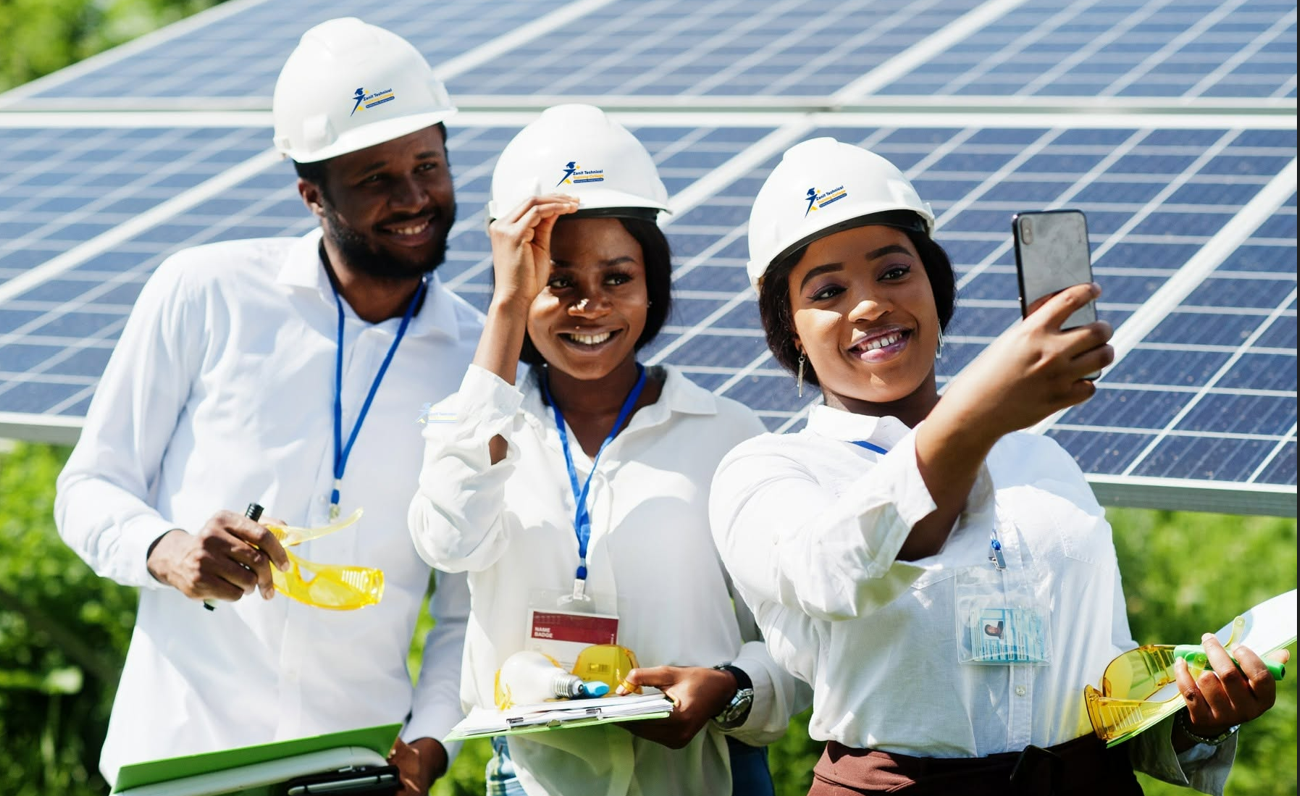
Suggested image alt text: TVET students practising electrical wiring and solar panel installation during practical technical training in Western Kenya.
Editorial verification notes
- College page: The Siaya Campus page located during research is
https://zttc.co.ke/siaya/. The requestedhttps://zenitcollege.co.ke/siaya-campus/could not be independently verified, so the discoverable campus page is used rather than inventing or assuming the requested URL works. - Course availability: Confirm directly with the college whether electrical installation and solar PV training are currently offered at its Siaya Campus. Do not imply that both are available there without confirmation.
- Accreditation: Verify the current institutional and programme approval status with TVETA before describing the college or a course as accredited.
- Licensing: EPRA’s published licensing guide contains specific requirements for electrical workers and solar PV technicians. Recheck the current requirements before publication, as regulatory guidance may be updated.
- Local context: The TVETA directory lists solar power systems installation programmes at The Siaya National Polytechnic. This is a verified local example, not evidence that every college in Siaya offers the same training.
- Contacts: The phone numbers and email address in the CTA were supplied in the brief. Confirm that the email address is active before publishing.