
Completing the Kenya Certificate of Secondary Education (KCSE) opens an important new chapter for students. Some will proceed to university, while others may choose technical training, professional courses or practical skills programmes that prepare them for employment and self-employment.
For students in Siaya County, choosing what to study next requires more than looking at popular courses or following friends. It means understanding personal interests, KCSE results, available training opportunities and the skills that are relevant to the local economy.
Siaya has economic activity and development priorities in agriculture, fisheries, trade, tourism, healthcare, infrastructure and digital innovation. These sectors provide useful context when considering a career direction. However, no course guarantees employment. Students need to choose carefully, develop practical competence and understand the qualification they will receive.
Here are some of the best course areas to consider after KCSE in Siaya County.
1. Agriculture and Animal Health
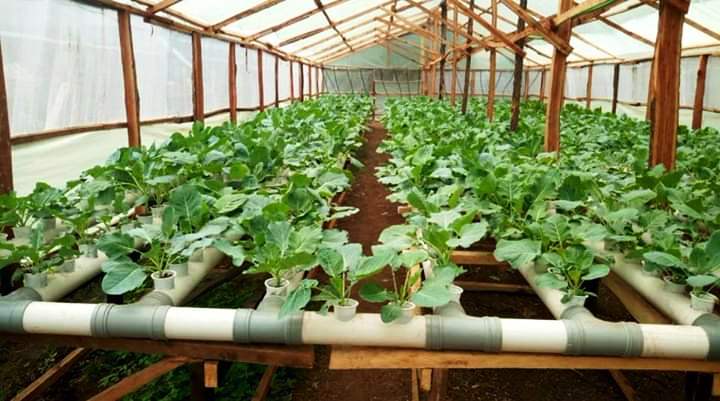
Agriculture remains an important part of livelihoods and economic activity in Siaya County. The county’s investment priorities include crop production, livestock, fisheries, aquaculture and agro-processing. These activities make agriculture-related training worth considering for students interested in food production, farming, animal care and agribusiness.
Possible areas of study include general agriculture, animal production, animal health, horticulture and agricultural extension, depending on the institution and approved programmes available.
Students interested in this field should look for training that combines classroom learning with practical experience. Useful learning areas may include crop management, soil preparation, livestock production, farm records, animal handling and agricultural business practices.
Agriculture can also provide a foundation for entrepreneurship. A trained person may explore crop production, poultry keeping, livestock management, horticulture or other agricultural ventures. Success, however, depends on access to resources, market knowledge, planning and practical experience.
2. Electrical and Electronics Courses
Electrical and electronics training is worth exploring for students who enjoy technical work, equipment, troubleshooting and problem-solving.
As homes, businesses and institutions expand their use of electrical systems and technology, skills in installation, maintenance and repair remain relevant. Students can investigate programmes such as electrical installation, electronics and related technical areas where they are offered by approved training institutions.
A good programme should provide supervised practical sessions, appropriate equipment and clear safety procedures. Electrical work requires technical competence because mistakes can cause serious injury or property damage.
Before enrolling, ask about the qualification level, practical training arrangements, assessment body and any additional professional requirements relevant to the work.
3. Building and Construction
Students interested in buildings, infrastructure and hands-on technical work may consider construction-related courses.
Possible training areas include building construction, masonry, plumbing, carpentry and joinery, land surveying and other construction trades. The exact options depend on the institution’s approved course list.
Siaya’s investment priorities include housing, infrastructure and the development of urban centres. This provides a local context for students considering construction skills, although it should not be interpreted as a guarantee of jobs.
Practical experience is especially important in this field. Students should ask whether the programme includes workshop activities, technical drawing, the use of tools, safety instruction and supervised projects.
Construction skills can support employment, further technical training or self-employment. A graduate may eventually develop a specialised service, provided they have the required competence, experience and any applicable professional approvals.
4. Hospitality, Catering and Food Production
Hospitality is another course area worth considering after KCSE, particularly for students who enjoy food preparation, customer service, accommodation services and event organisation.
Siaya County’s tourism and hospitality priorities, together with its location near the Lake Victoria region, provide a useful local context for this field.
Potential areas of training include food and beverage operations, catering, accommodation services, food production, baking and related hospitality skills. Students should confirm which programmes are available at their preferred institution.
A practical hospitality course should cover more than cooking or serving customers. Important skills include food hygiene, kitchen organisation, customer care, communication, stock control and service standards.
These skills may be useful in hotels, restaurants, catering businesses, events and other service environments. They can also support small businesses such as baking, outside catering and food services.
Students should compare the facilities available for practical learning and ask whether the course includes workplace exposure or industrial attachment.
5. Health and Applied Sciences
Healthcare is an important sector in Siaya and across Kenya. Students who are interested in supporting patients, communities and health service delivery may explore relevant health and applied sciences programmes.
Depending on the approved programme and entry requirements, possible areas to investigate include health records and information management, community health and other health support fields.
It is essential to distinguish between different health qualifications. A short course or general health support certificate does not automatically qualify someone to practise as a nurse, clinical officer or another regulated health professional.
Before enrolling, establish the exact qualification awarded, the awarding institution, the relevant professional regulator and the scope of work graduates are permitted to perform.
Students should also consider whether they are comfortable working with people, maintaining confidentiality, following procedures and taking responsibility in a service environment.
6. Information and Communication Technology (ICT)
Digital skills are increasingly useful in business, education, administration, communication and many other sectors. For KCSE graduates interested in computers and technology, ICT offers several possible learning directions.
Depending on available programmes, students may explore computer applications, software development, website design, graphic design, data analysis, digital marketing and other technology-related skills.
The best choice depends on the student’s interests. Someone who enjoys visual creativity may prefer graphic design, while a learner interested in logical problem-solving may explore software development or data analysis.
Students should prioritise practical learning. Ask whether the programme includes projects, assignments and opportunities to build a portfolio. Being able to demonstrate completed work can strengthen a learner’s professional profile.
ICT skills can also support entrepreneurship. A trained student may eventually provide services such as website design, digital marketing, computer support or graphic design, depending on their competence and experience.
7. Hairdressing, Beauty Therapy and Cosmetology
Students interested in personal care, creativity and customer service may find hairdressing, beauty therapy and cosmetology worth considering.
Training in this area may cover hair care, styling, beauty services, hygiene, client consultation and professional service delivery. The exact content depends on the programme.
These skills can support work in salons and beauty businesses or provide a foundation for self-employment. However, success requires consistent practice, customer care, creativity and an understanding of business operations.
Before selecting a course, ask to see the practical training facilities and find out what equipment and materials students use. Confirm the course duration, qualification level and assessment arrangements.
8. Fashion Design and Garment Making
Fashion design and garment making may suit students who enjoy creativity, textiles, drawing, measurements and working with their hands.
Training may introduce learners to garment construction, sewing techniques, pattern development, alterations, fabric selection and finishing.
The skills can support employment in tailoring and garment production or help a learner establish a small clothing and alteration business. Students should look for programmes that combine design knowledge with practical garment production.
A useful course should allow learners to practise using relevant equipment and complete garments or other projects that demonstrate their ability.
9. Business Management and Entrepreneurship
Not every student wants a career that involves technical equipment or practical trade work. Some may prefer administration, business operations, marketing or entrepreneurship.
Business-related training can help students understand record keeping, customer relations, communication, basic accounting, stock management and business planning.
These skills are useful across many sectors. A person running a salon, farm, catering service, construction business or digital agency needs to understand how to manage customers, costs and daily operations.
Students can explore business management, marketing, office administration, accounting and other related programmes, depending on their KCSE results and the courses available.
How to Choose the Right Course After KCSE
Having several options is useful, but students need a clear way to narrow them down. Consider the following steps before applying.
1. Review your KCSE results. Check your overall grade and subject performance. Compare them with the official entry requirements for the course you want to pursue.
2. Identify your interests. Think about the subjects, activities and types of work you enjoy. A course that matches your interests may be easier to approach with commitment.
3. Research career opportunities. Find out where the skills are used, what employers expect and whether the qualification can support further training or self-employment.
4. Compare training institutions. Consider course content, trainers, practical facilities, fees, location and student support.
5. Verify the qualification. Check the institution’s registration, the programme’s approval and the authority responsible for assessment and certification.
Understanding Certificate and Diploma Options
The Kenya National Qualifications Framework provides different qualification levels and progression pathways. KNQA’s published guidance, for example, identifies an Artisan Certificate at Level 4, a Craft Certificate at Level 5 and a National Diploma at Level 6. Its published entry examples include KCSE Grade E for Level 4, Grade D for Level 5 and Grade C-minus for Level 6.
These are general framework examples, not universal admission requirements for every course. Always confirm the current requirements for the specific programme and awarding body before applying.
The Ministry of Education advises students to check whether a TVET institution is registered and licensed by TVETA, whether its licence is current and whether the specific course is approved. Students should also establish who is authorised to award the qualification.
Exploring Training at Zenit Technical Training College Siaya Campus
Students and parents considering practical training in Siaya can enquire about the programmes listed by Zenit Technical Training College Siaya Campus.
The college’s Siaya Campus information describes training areas that include electrical and electronics, health sciences, cosmetology, building and construction, and animal health. Its wider course information also refers to other training options. Applicants should contact the admissions team to confirm which specific programmes are currently available at the Siaya Campus, their entry requirements, fees, duration and awarding arrangements.
Before paying fees, students should independently verify the institution’s current registration and the approval status of their chosen programme. The college’s published accreditation information states that it is in the process of securing official TVETA accreditation and accreditation from other relevant bodies. Applicants should take this statement into account and confirm the current position directly with TVETA.
Choosing a college should involve more than comparing advertisements. Visit the campus where possible, ask to see the facilities and request clear information about the qualification you will receive.
Frequently Asked Questions
1. Which course is best after KCSE in Siaya County?
There is no single best course for everyone. Agriculture, animal health, electrical installation, construction, hospitality, ICT, health-related training, cosmetology, fashion design and business are all areas students can explore. The right option depends on interests, grades, career goals and verified training opportunities.
2. Can I join a TVET college with a KCSE D or E?
Some TVET qualification levels have entry pathways for students with these grades. KNQA guidance lists examples of entry requirements for different qualification levels, but individual programmes may have additional requirements. Confirm the exact course requirements before applying.
3. Are certificate courses useful after KCSE?
Yes. Certificate programmes can help learners develop occupational skills and may provide a pathway to further training. Check the qualification level, recognition, assessment arrangements and progression options.
4. Which courses can help me become self-employed?
Depending on competence and business preparation, courses in agriculture, catering, baking, hairdressing, beauty therapy, construction trades, fashion design and ICT may support self-employment. A qualification alone does not guarantee business success.
5. How do I confirm whether a TVET course is approved?
Use the TVETA register and course directory to check the institution and the specific programme. Confirm the awarding body and whether it has the authority to issue the qualification.
6. Should I choose a course because it is popular?
Popularity should not be the main deciding factor. Consider your strengths, interests, entry qualifications, practical learning opportunities and the kind of work you would like to pursue.
Start Planning Your Next Step
Your KCSE results are an important part of your education journey, but they do not have to be the end of your learning opportunities. With careful planning, you can identify a course that develops practical skills and supports your long-term goals.
If you are considering training at Zenit Technical Training College Siaya Campus, contact the admissions team for current information about available programmes, entry requirements, fees, campus facilities and qualification arrangements.
Admissions enquiries
- Phone: +254 711 777779
- Phone: +254 737 222229
- Email: admissions@zenitcollege.co.ke
- Campus information: https://zttc.co.ke/siaya/
- Apply online: https://apply.zenitcollege.co.ke/
Take time to compare your options, ask questions and verify the qualification before enrolling. The right decision is one that gives you a realistic pathway to develop skills, gain experience and work towards your future.