The beauty industry offers opportunities for people who enjoy creativity, personal care, customer service and working with their hands. From running a hair salon in Siaya to providing professional beauty treatments in Kisumu or starting a mobile beauty service in Western Kenya, hairdressing and beauty therapy can provide a foundation for employment and entrepreneurship.
For young people completing KCSE, school leavers looking for practical skills and individuals considering self-employment, these courses are worth exploring. They combine practical techniques with knowledge of hygiene, customer care, product selection and business management.
However, choosing a course requires more than an interest in beauty. Prospective students should understand what the training involves, the skills they will develop, the possible career pathways and the requirements for professional practice.
At Zenit Technical Training College Siaya Campus, prospective learners can explore training opportunities in hairdressing and beauty-related fields. The college’s published programme information lists hairdressing, beauty therapy and cosmetology options. Applicants should confirm the current availability, course level, duration, fees and examination arrangements directly with admissions.
This guide explains the courses, potential career opportunities and what students in Siaya and the wider Western Kenya region should consider before enrolling.
1. What Are Hairdressing and Beauty Therapy Courses?
Hairdressing and beauty therapy are related but distinct areas of personal services training.
Hairdressing focuses on caring for, maintaining and styling hair. Students develop practical skills that may include:
- Shampooing and conditioning.
- Hair cutting and styling.
- Braiding and plaiting.
- Hair setting and finishing.
- Hair colouring techniques.
- Hair treatments and maintenance.
- Hair extension application.
- Client consultation and salon hygiene.
Beauty therapy focuses on non-medical beauty and personal care treatments. Depending on the training programme, learners may study:
- Skin care and basic facial treatments.
- Manicure and pedicure services.
- Nail care and nail technology.
- Makeup application.
- Body massage techniques.
- Hair removal procedures.
- Client consultation.
- Hygiene and safe handling of beauty products.
Cosmetology can combine aspects of hair, skin and nail services. Its exact scope depends on the course curriculum.
The distinction matters when choosing a programme. Someone who wants to specialise in hairstyling may prefer hairdressing, while a learner interested in skincare, nails and beauty treatments may prefer beauty therapy.
2. Hairdressing and Beauty Therapy Courses Available in Kenya
Kenyan TVET qualifications include hairdressing and beauty therapy at different training levels. The appropriate entry point depends on the qualification, curriculum and admission requirements.
The Kenya National Qualifications Authority’s published TVET qualifications information includes hairdressing and beauty therapy programmes. The TVET Authority also lists hairdressing and beauty therapy among recognised course categories. Prospective learners should confirm the particular qualification and awarding arrangements before enrolling.
At Zenit Technical Training College, the published course information includes options such as:
- Certificate in Hairdressing.
- Diploma in Hairdressing.
- Certificate in Beauty Therapy.
- Diploma in Beauty Therapy.
- Diploma in Cosmetology.
- Advanced Hairdressing.
- Advanced Beauty Therapy.
- Nail Technology.
- Barbering.
- Makeup Services.
- Hair Colouring.
- Facial Skin Care and Treatment.
These are programmes and specialisations appearing in the college’s published course information. Their availability at the Siaya Campus, current intake status and specific qualification arrangements should be confirmed with admissions.
3. Practical Skills Students Develop During Training
Hairdressing and beauty therapy require more than knowing how to style hair or apply makeup. Professional practitioners must understand how to work safely, communicate with clients and deliver consistent services.
A well-structured training programme should provide a balance of practical instruction and relevant theory.
Important skills include:
Technical hairdressing skills: Students learn techniques for cutting, styling, braiding, colouring, treating and maintaining different hair types.
Skincare knowledge: Beauty therapy introduces learners to skin assessment, cleansing, facial treatments and appropriate skincare practices within their training scope.
Nail care: Manicure, pedicure, nail preparation and nail enhancement techniques are useful skills for beauty service providers.
Customer service: Practitioners need to understand client preferences, conduct consultations and communicate professionally.
Health, safety and hygiene: Cleaning tools, sanitising equipment, maintaining clean workstations and understanding safe product handling are essential.
Business skills: Record-keeping, pricing, stock management, marketing and customer retention help learners prepare for self-employment.
The TVET CDACC Beauty Therapy Level 4 curriculum, for example, includes manicure and pedicure services, communication skills, environmental literacy and occupational safety and health practices. This demonstrates why professional beauty training involves more than learning individual treatments. TVET CDACC Portal+1
4. Career Opportunities After Studying Hairdressing
Hairdressing offers several possible career pathways for people who develop strong technical skills and gain practical experience.
Some opportunities include:
Professional hairdresser
A trained hairdresser can work in an established salon, offering services such as cutting, styling, braiding, colouring and hair treatments.
Building a reputation for quality work, reliability and good customer service can help practitioners develop a regular clientele.
Hair stylist
Hair stylists may specialise in particular services, including bridal hairstyles, event styling, natural hair care, extensions and creative hair designs.
There may be opportunities to work with photographers, event organisers, wedding vendors and individual clients.
Barber
Barbering is another potential career direction. Services can include haircuts, beard grooming, shaving and general men’s grooming.
A practitioner can seek employment in a barbershop or eventually establish an independent business.
Hair extension and wig specialist
Hair additions, wig installation, weaving and hairpiece maintenance are specialised services that can complement ordinary salon work.
A practitioner with the relevant skills may build a business around custom hairpieces, wig styling and maintenance.
Salon supervisor
With experience and additional management skills, a hairdresser may progress into a supervisory role, overseeing staff, customer bookings, service standards and stock.
5. Career Opportunities After Studying Beauty Therapy
Beauty therapy offers opportunities in different personal care and beauty service environments.
Potential career paths include:
- Beauty therapist: Providing appropriate beauty treatments and personal care services.
- Facialist: Specialising in basic skincare consultations and facial treatments within professional training limits.
- Nail technician: Offering manicure, pedicure, nail care and nail enhancement services.
- Makeup artist: Providing makeup services for weddings, graduations, photography and other occasions.
- Spa therapist: Working in spa environments where the practitioner’s training and qualifications meet the role requirements.
- Beauty consultant: Advising customers on suitable cosmetic and skincare products within the limits of their knowledge.
- Beauty salon manager: Supervising daily operations, staff, bookings and customer service.
It is important to distinguish beauty therapy from medical and clinical skincare. Beauty therapy qualifications do not automatically authorise practitioners to diagnose skin conditions, prescribe medication or perform medical procedures.
6. Starting a Hair Salon or Beauty Business in Siaya
Self-employment is one of the opportunities worth considering after acquiring hairdressing or beauty therapy skills.
In Siaya County, entrepreneurs can consider serving customers in established and growing commercial centres, including Siaya Town, Bondo, Ugunja, Usenge and surrounding communities.
The county’s 2023–2027 Integrated Development Plan discusses rural, urban and peri-urban settlements, including movement towards urban centres in search of employment and services. This provides useful context for entrepreneurs assessing where personal care services might be needed. It does not, however, establish the profitability or demand for a particular salon location. Maarifa Centre+1
Before opening a business, conduct local research.
Consider the following:
- Identify areas with potential customers.
- Study existing salons and beauty businesses.
- Find out which services customers request most frequently.
- Compare competitors’ prices and service quality.
- Estimate rent, equipment and product costs.
- Prepare a realistic business budget.
- Understand applicable county permits and health requirements.
A first-time entrepreneur does not necessarily need to establish a large salon immediately. Starting with a manageable service offering and expanding as the customer base develops may be more practical.
Business opportunities beyond a physical salon
Hairdressing and beauty skills can also support other business models:
- Mobile hairstyling for clients at home.
- Bridal and event beauty services.
- Wig making and maintenance.
- Nail care appointments.
- Makeup services for special occasions.
- Beauty product retail.
- Home-based beauty services, subject to applicable requirements.
- Social media-based beauty bookings and consultations.
For graduates interested in entrepreneurship, combining practical training with financial management and marketing knowledge can help build a more sustainable business.
7. Why Hairdressing and Beauty Training Is Relevant in Western Kenya
Students in Siaya and neighbouring counties such as Kisumu, Busia, Kakamega and Vihiga may consider beauty training as part of their career planning.
Personal care businesses operate in different types of communities, from town centres and shopping areas to residential neighbourhoods.
However, opportunities differ by location. A salon in a busy commercial area may attract a different customer base from one serving a rural community.
Prospective entrepreneurs should therefore understand the local market rather than assume that business conditions are the same across Western Kenya.
There are several practical considerations:
- Customer preferences: Hair textures, preferred hairstyles, skincare needs and spending habits vary.
- Pricing: Services should be priced according to operating costs, local competition and customer expectations.
- Accessibility: Customers may prefer businesses close to homes, workplaces, markets or transport routes.
- Service quality: Clean equipment, professional conduct and reliable results encourage repeat business.
- Digital marketing: Facebook, Instagram, TikTok and WhatsApp Business can help local practitioners display their work and receive bookings.
For students who intend to work within their communities, understanding local customer needs is just as important as developing technical ability.
8. What Should You Look for When Choosing a Hairdressing and Beauty College?
Choosing a training institution is an important decision. A course may sound attractive, but students should examine the quality and relevance of the training before enrolling.
Consider these factors:
Practical training facilities: Hairdressing and beauty therapy are hands-on professions. Find out whether students have access to suitable equipment, products and practical learning environments.
Course content: Ask for details of the units covered and the practical competencies you are expected to develop.
Qualified trainers: Establish whether trainers have appropriate qualifications and experience in their areas of instruction.
Assessment and certification: Understand who assesses the course, which examination body is involved and what certificate or qualification successful learners receive.
Fees and duration: Request a detailed fee structure and confirm the expected course duration, examination charges and additional learning requirements.
Institutional approval: Check the institution’s registration and licensing status through the TVETA accredited institutions register. Also verify whether the specific course and examination arrangements are approved.
The Ministry of Education explains that TVETA regulates and assures quality in TVET, while curriculum development, assessment and certification involve other statutory bodies. Students should therefore distinguish institutional registration from approval to offer a particular course and authority to award a qualification. TVET+1
9. Why Consider Zenit Technical Training College Siaya Campus?
For learners interested in developing practical skills in personal care services, Zenit Technical Training College Siaya Campus provides a local option to explore.
The college’s published School of Hairdressing and Beauty information lists diploma, certificate, advanced and short-course options.
These include:
- Diploma in Hairdressing.
- Diploma in Beauty Therapy.
- Diploma in Cosmetology.
- Certificate in Hairdressing.
- Certificate in Beauty Therapy.
- Advanced Hairdressing.
- Advanced Beauty Therapy.
- Salon and Spa Management.
- Barbering.
- Nail Technology.
- Makeup Services.
- Hair Colouring.
- Facial Skin Care and Treatment.
The published campus information also identifies its Siaya location as Nyamonye along the Bondo-Usenge Road.
Prospective students should contact admissions to confirm which programmes are currently available at Siaya, their entry requirements, duration, fees and examination arrangements.
An important point for applicants is accreditation. The college’s previously published accreditation disclosure on its other official website stated that it was in the process of securing official TVETA accreditation. Applicants should independently confirm its current registration and the approval status of their preferred programme before paying fees. Zenit Technical Training College+2
10. How to Prepare for a Career in Hairdressing and Beauty Therapy
Enrolling in a course is the beginning of the journey. Becoming a competent practitioner requires commitment, practice and continued learning.
Students can prepare for their careers by:
- Practising techniques consistently during training.
- Learning about different hair and skin types.
- Developing good hygiene and safety habits.
- Improving communication and customer service.
- Keeping photographs of their work, with clients’ consent.
- Learning basic business management.
- Following developments in beauty products and styling techniques.
- Seeking appropriate workplace experience and mentorship.
Building a professional portfolio is particularly useful. It allows prospective employers and clients to see examples of your work rather than relying entirely on verbal descriptions of your skills.
The beauty industry also changes with customer preferences, products and styling trends. Successful practitioners need to remain willing to learn and improve.
Frequently Asked Questions
1. Can I study hairdressing after completing KCSE?
Yes. Hairdressing is included in Kenya’s TVET qualification framework at different levels. Entry requirements depend on the specific qualification and institution. Confirm the requirements for your preferred programme before applying. Kenya National Qualifications Authority+1
2. What is the difference between hairdressing and beauty therapy?
Hairdressing focuses mainly on hair care, cutting, styling, colouring and treatments. Beauty therapy covers personal care services such as skincare, facials, manicure, pedicure and other beauty treatments.
3. Can I start my own salon after training?
Yes, self-employment is a possible career pathway. However, you will also need business planning, suitable equipment, working capital, customer service skills and the relevant permits.
4. Where can hairdressing and beauty therapy graduates work?
Potential workplaces include hair salons, beauty centres, spas, barbershops, hotels and personal care businesses. Some practitioners also work independently or provide mobile services.
5. Is cosmetology different from beauty therapy?
Cosmetology generally combines different areas of beauty services, potentially including hair, skin and nail care. Beauty therapy focuses more specifically on beauty and personal care treatments. The exact difference depends on the curriculum.
6. Does Zenit Technical Training College offer hairdressing and beauty courses in Siaya?
The college’s published website lists hairdressing, beauty therapy and cosmetology programmes under its Siaya Campus School of Hairdressing and Beauty. Contact admissions to confirm current course availability and entry requirements.
7. How do I apply for a course at Zenit Technical Training College?
You can enquire through the admissions office or submit an application through the college’s online application portal at https://apply.zenitcollege.co.ke/.
Conclusion: Turn Your Interest in Beauty into Practical Career Skills
Hairdressing and beauty therapy offer more than an opportunity to work in a salon. They can provide a foundation for employment, specialist services and entrepreneurship.
For young people in Siaya and Western Kenya, acquiring practical skills in hair care, skincare, nail technology and beauty services may open different career possibilities.
The most important step is choosing appropriate training, practising consistently and understanding what it takes to serve customers professionally.
Whether your ambition is to become a professional hairdresser, beauty therapist, makeup artist, nail technician or salon owner, your journey should begin with the right skills and a clear career plan.
Ready to explore hairdressing and beauty therapy training in Siaya?
Take the next step with Zenit Technical Training College Siaya Campus.
Start Your Application Today
Explore available programmes, confirm admission requirements and speak to the admissions team.
+254 711 777779
+254 737 222229
admissions@zenitcollege.co.ke
Zenit Technical Training College Siaya Campus
Apply Online
Build practical skills, develop your creativity and take a confident step towards your future career.
SEO Publishing Details
SEO title: Hairdressing and Beauty Therapy Courses: Career Opportunities in Siaya
Meta description: Explore hairdressing and beauty therapy courses in Siaya, career opportunities, salon entrepreneurship and practical training options at Zenit Technical Training College.
Suggested URL slug:
hairdressing-beauty-therapy-courses-career-opportunities
Primary keyword:
– Hairdressing and beauty therapy courses in Siaya
Secondary keywords:
- Hairdressing courses in Kenya
- Beauty therapy courses in Siaya
- Beauty colleges in Western Kenya
- Certificate in hairdressing Kenya
- Diploma in beauty therapy Kenya
- Cosmetology courses in Siaya
- Hairdressing career opportunities
- Beauty therapist jobs in Kenya
- Salon management courses
- Beauty training in Siaya County
Suggested image alt text:
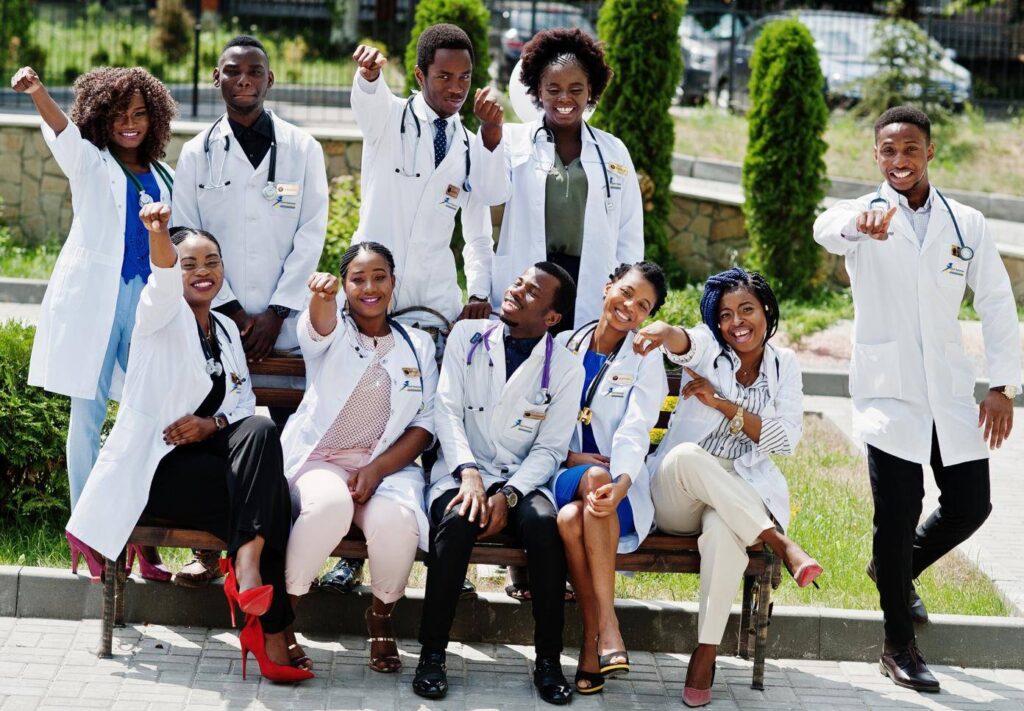
- Hairdressing and beauty therapy students practising professional salon skills at Zenit Technical Training College Siaya Campus.
- Beauty therapy student practising facial skincare techniques during practical training.
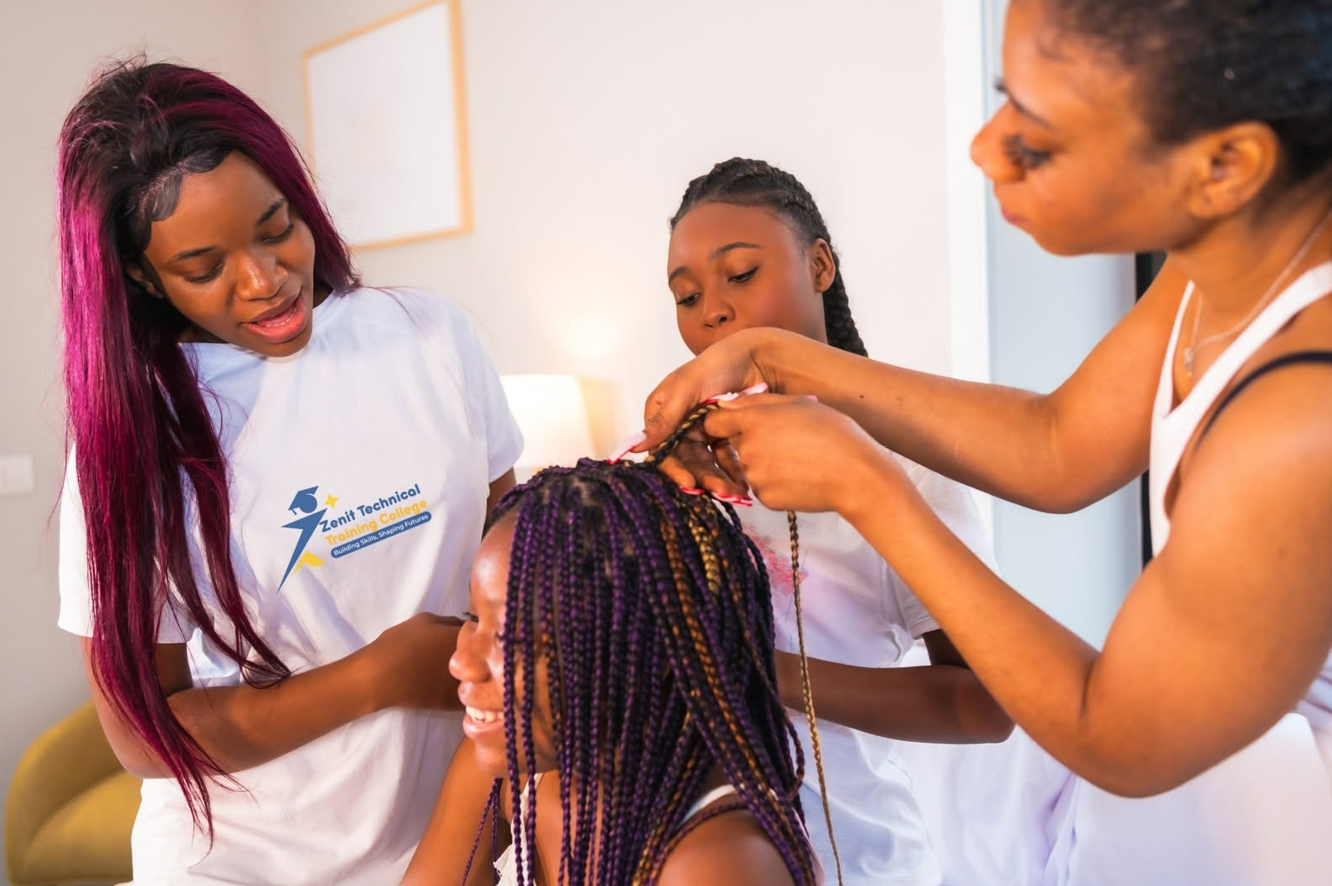
- Hairdressing student learning professional hairstyling and hair treatment techniques.
Recommended internal links:
Editorial Verification Notes
Before publishing, the following checks are recommended:
- Course availability: Confirm that the listed hairdressing, beauty therapy and cosmetology programmes are actively offered at Siaya Campus.
- Accreditation: Verify the current institutional registration, course approval and awarding arrangements through TVETA and the relevant examination body. Do not describe the college or qualifications as TVETA-accredited without confirmation.
- Admission requirements: Confirm the current entry requirements, course durations, fees and examination arrangements.
- Contact details: The article uses the two phone numbers and email address supplied in the brief. Confirm that both telephone numbers and the
@zenitcollege.co.keemail are active before publication. The retrieved campus website independently displays +254 711 777779, while another published contact page displays a different email domain. - Local market claims: Career pathways are presented as potential opportunities, not guaranteed employment or income outcomes.
- Image permissions: Use genuine college training photographs with appropriate student consent. Do not use stock photographs that imply they show actual Zenit students.
Key reference sources:
- Zenit Technical Training College Siaya Campus
- TVETA accredited institutions register
- Kenya National Qualifications Authority: TVET qualifications
- TVET CDACC Beauty Therapy curriculum
- Siaya County Integrated Development Plan 2023–2027
Publishing correction: The verified Siaya Campus URL is https://zenitcollege.co.ke/siaya-campus/, as used in this article. The earlier zttc.co.ke/siaya/ address is a separate website address and should not replace the requested link.